Why are fish dying in the Western Cape?
· Citizen
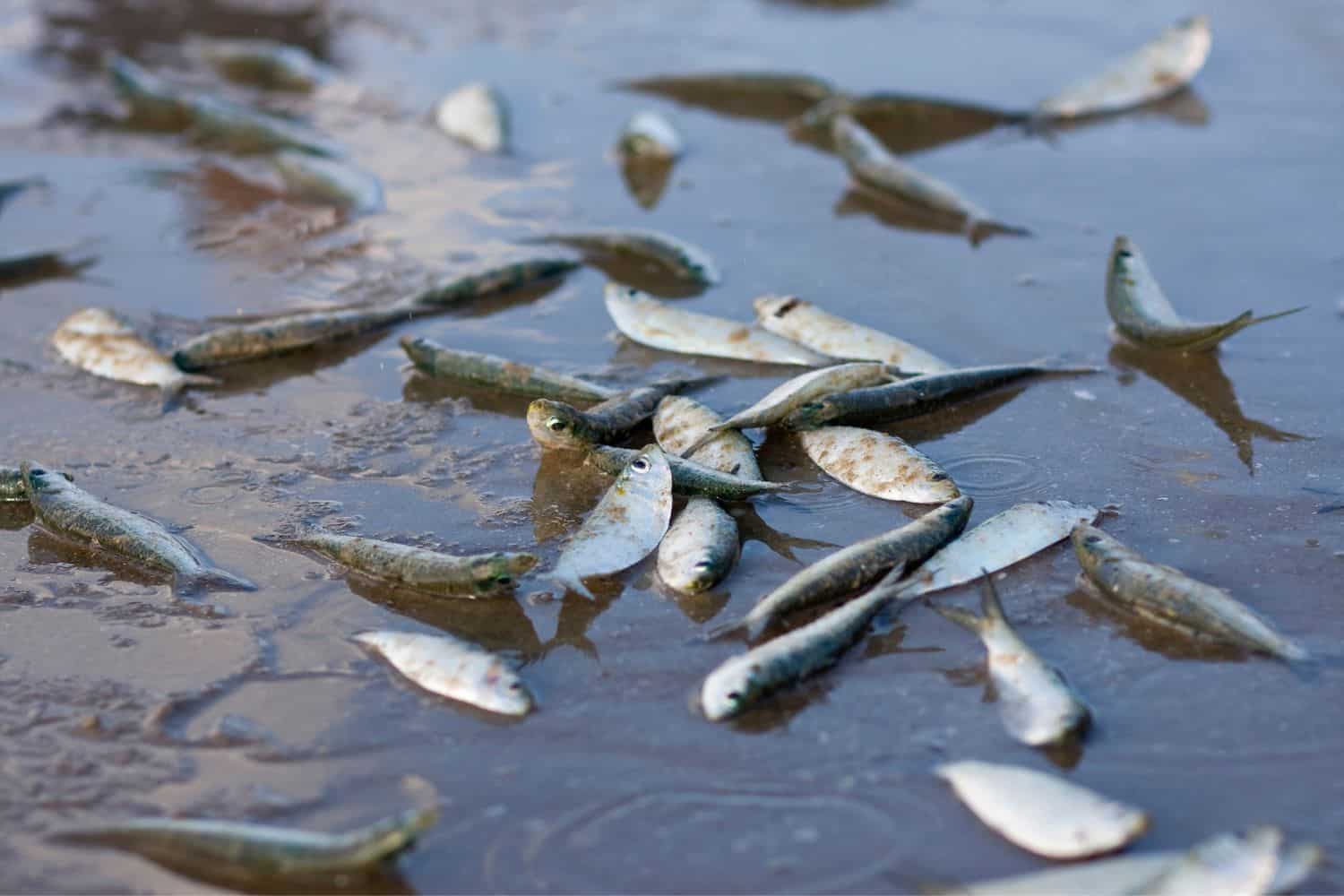
Officials are trying to establish the cause of the recent wave of sardine deaths reported along the Western Cape coastline.
Visit umafrika.club for more information.
The Department of Forestry, Fisheries and the Environment (DFFE) said on Sunday that it was “investigating reports of dead and dying sardines at several locations along the Western Cape coast, from Saldanha Bay to Gansbaai.”
Beyond the beaches, fish carcasses were also seen far out at sea near Hout Bay.
“Fish have been reported washing ashore, while dead and dying sardines have also been observed drifting at the surface as far as eight nautical miles offshore near Hout Bay,” the department said.
Photographs, videos and reports submitted by fishers and members of the public had helped build a picture of how far the mortality extended.
Investigators turn to lab tests
To find answers, the department collected fish samples off Saldanha Bay on Saturday, 1 August 2026, with assistance from the fishing vessel Shivon.
The samples reached officials the next morning, and diagnostic testing began on Monday, 3 August.
According to the department, “Scientific observers have also been deployed aboard purse-seine fishing vessels to collect further information on the distribution and extent of the mortality.”
No single cause confirmed yet
A harmful algal bloom involving the dinoflagellate Alexandrium catenella was already known to be present in Saldanha Bay, though officials said this alone could not explain the deaths spread across such a wide stretch of coastline.
The department said its investigation would examine multiple possibilities.
“The investigation will consider a range of possible causes, including harmful algal blooms and associated toxins, environmental conditions and fish disease.”
It cautioned against jumping to conclusions.
“No cause has yet been confirmed, and conclusions should not be drawn before the samples and available environmental information have been assessed.”
Until results are available, residents were told to keep away from affected fish.
“As a precaution, members of the public are strongly advised not to collect, handle or consume dead or dying fish found on beaches or floating at sea. The department will provide further information once initial test results are available.”