Cooking for a crowd? A chef’s guide to scaling a recipe without losing flavour
· Citizen
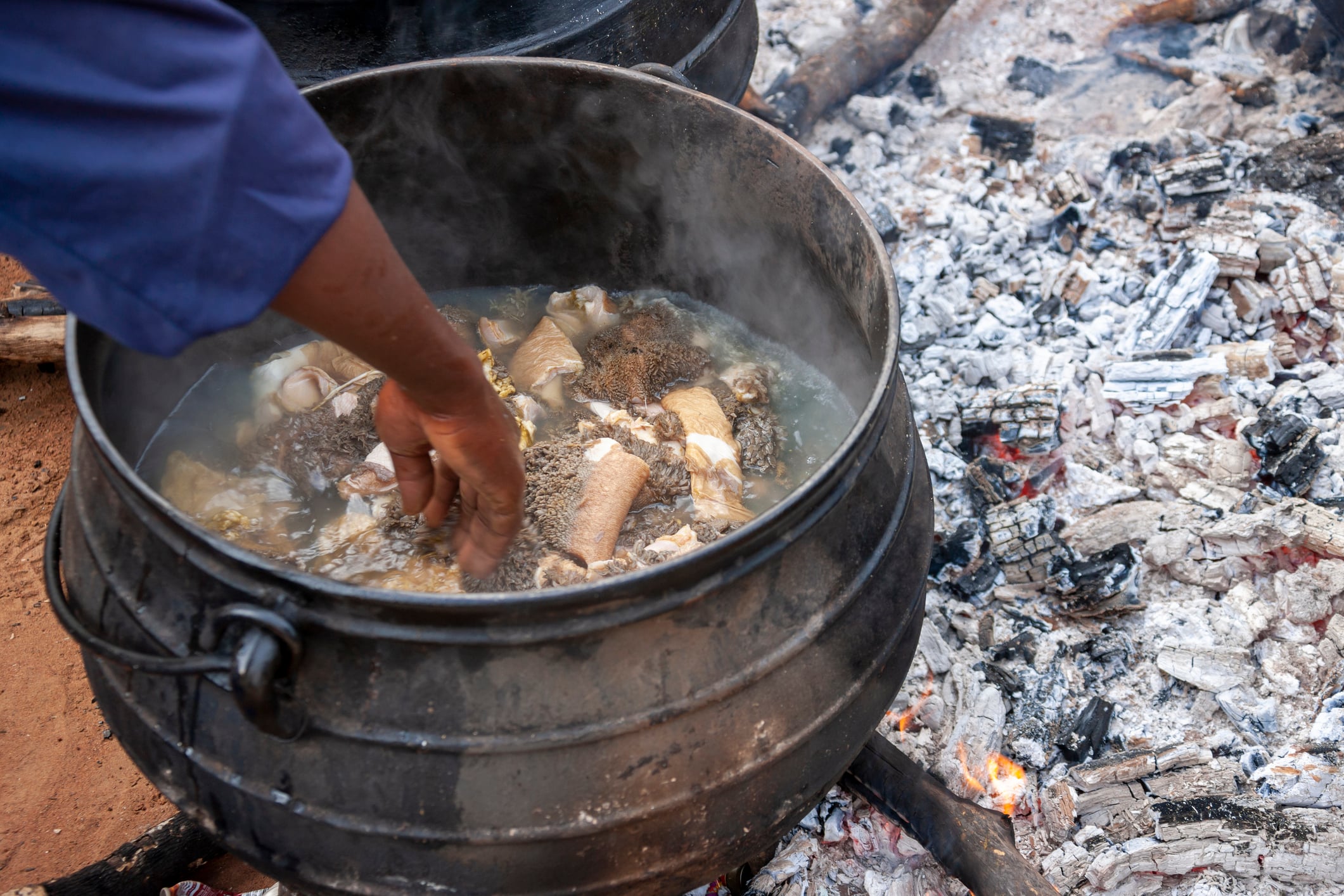
Anyone responsible for cooking a family favourite for a big gathering knows the feeling. The dish that was perfect for four tastes oddly flat when you make it for forty.
With year-end functions, weddings and family lunches around the corner, that problem is about to land in a lot of kitchens. According to Chef Latoya Marivate, the fix is less about maths and more about knowing what you’re protecting.
Visit raccoongame.org for more information.
Scaling is not just multiplying
Marivate of Unilever Food Solutions says the most common mistake is treating scale as a numbers game. Before you increase a single quantity, she says, work out what gives the dish its heart. It could be a slow simmer, a spice blend, a crunch, a sauce or a heritage ingredient. That is the part to guard.
Three things that don’t scale in a straight line
Marivate flags three pitfalls that catch out even experienced cooks:
Seasoning: Doubling salt, spice or acid, such as lemon juice or vinegar, rarely works, because larger batches concentrate differently. Add gradually, taste as you go and adjust until balanced.
Cooking times: Bigger volumes change how heat is distributed. Proteins may need longer, while delicate items risk overcooking. The capacity of your equipment matters too.
Raising agents: Using the exact amounts of yeast, baking powder or baking soda can make large batches rise too fast, collapse or taste off. Use less than the straight calculation and adjust according to texture and rise.
Build flavour in layers
Cooking in bulk can flatten flavour when everything goes into the pot at once. Instead, Marivate suggests giving each stage a job: brown, roast, marinate, season, then finish with intention. Depth, she notes, doesn’t happen by accident.
Pick ingredients that can wait
Some ingredients lose texture or turn dull when held for a long time. Hardy root vegetables such as taro offer substance, comfort and cultural relevance, while delicate greens and crispy garnishes tend to suffer. Choosing ingredients that hold well keeps the last plate as good as the first.
Save the crunch for last
Contrast is what lifts a bulk-cooked dish from ordinary to memorable. A crisp topping, fresh herbs, pickled elements, toasted seeds or a punchy sauce added at the end brings back brightness and texture, and avoids sogginess.
A dish that puts it into practice
Marivate points to her ‘umleqwa’ broth with stuffed dumplings and crackling as an example.
It uses traditional free-range chicken, prized for its deep flavour, simmered slowly with vegetables. It is served with tender stuffed dumplings and crisp crackling for contrast. The dish ties into Culinary Roots, one of the trends identified in Unilever Food Solutions’ Future Menus 2026 report, which reflects growing interest in heritage cooking, traditional techniques and regional ingredients.
“Culinary Roots is about food that feels real. People want dishes with story and depth. But in a busy kitchen, that dish also has to work under pressure,” says Marivate.
Let the story do some of the work
Marivate also encourages cooks to share a dish’s story. Hotels and restaurants can put it on the menu, caterers can use it to elevate a buffet or plated function, and home cooks can use it to make batch cooking feel generous and personal.
“Food with roots does not have to be complicated,” she says. “When you understand the heart of the dish, you can scale it beautifully, whether you are cooking for two people or two hundred.”