How Backlash Against AI Data Centers Has Swayed The US Midterm Elections
· Free Press Journal
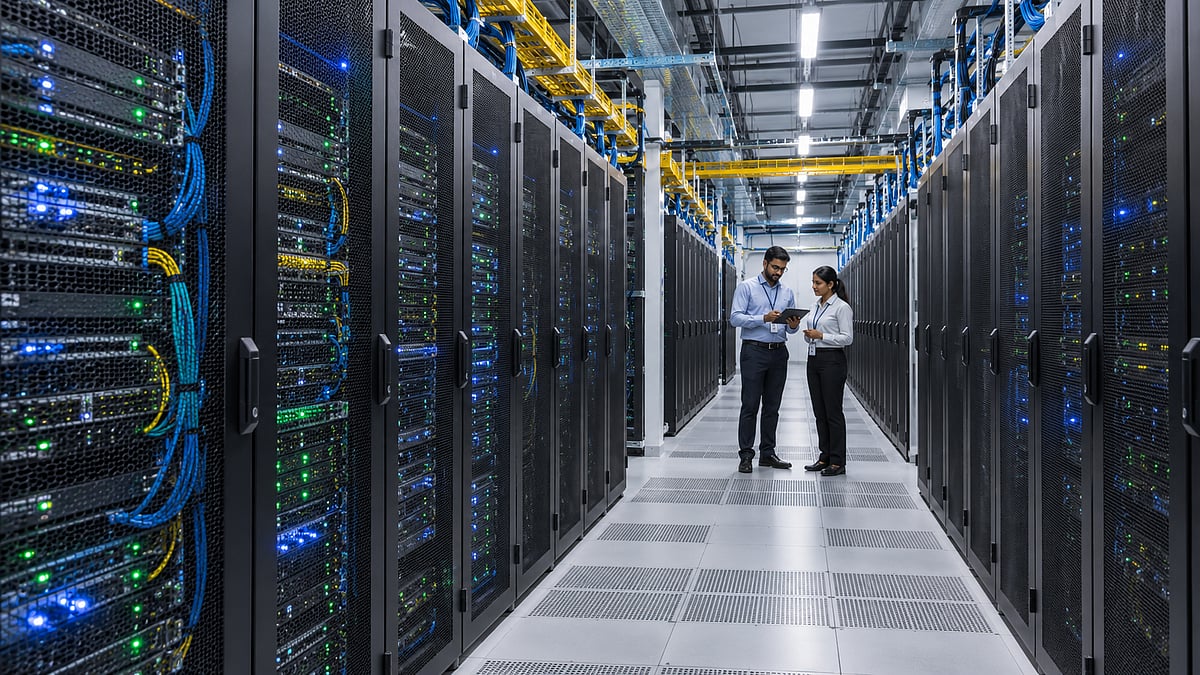
Anger over AI data centers appears to have played a part in the US midterm elections, with voters across the country backing curbs on the facilities in dozens of local ballot contests. Several Democrats who campaigned partly on pausing data center construction also won high-profile state offices. The results have rattled investors who see the buildout as a pillar of the AI boom and the wider US economy. Analysts caution, however, that the election was shaped by many issues beyond data centers.
According to Ballotpedia and CNBC's tally, 41 local measures on restricting data center construction were on ballots in 10 states on Tuesday. Voters sided against the industry in every one but a single contest in Harwood, North Dakota, where they rejected extra review of industrial projects including data centers. Ohio accounted for more than half the measures, with 21.
Visit turconews.click for more information.
US Midterm Election 2026: Democratic Wins Put 141 GW Of Planned Data Centre Capacity At Risk, Threatening AI Investments THREAD on how data center-related ballot measures are faring tonight
— J.D. Capelouto (@jdcapelouto) November 4, 2026
data centers are on the ballot in ~40 localities across 13 states, including proposed bans, votes on specific projects, and recalls of pro-data center politicians
Stateline, citing the tracker Data Centers on the Ballot, reported late Tuesday that 33 restrictive measures had passed or were leading, with about a dozen more still uncounted. The measures ranged from outright bans and temporary moratoriums to energy-use limits, mandatory voter approval before construction and advisory votes urging officials to act. Counts differ between trackers, and some results were still being finalised.
Exit poll points to AI as a factor
An NBC exit poll found that 56 percent of voters called AI and data centers a crucial or major factor in how they voted for Congress, Stateline reported. Pre-election polling had been more mixed on how much the issue would matter. A Marquette poll of Wisconsin voters found strong opposition to data centers, but they ranked below cost of living, immigration and the economy among voters' top concerns, Wisconsin Public Radio reported.
BREAKING: Voters in at least 29 places across the US approved bans or restrictions on data centers in Tuesday’s elections.
— unusual_whales (@unusual_whales) November 4, 2026
It comes as Goldman Sachs warns that Democratic wins at the state and local level could put 45% of planned US data center capacity at risk.
5 Indian-Americans Win US Congressional Races, Aruna Miller Re-Elected Maryland Lieutenant GovernorData centers were on the ballot in 40 towns across 13 states tonight. They lost nearly everywhere. The cloud's biggest bottleneck isn't chips anymore. It's voters. https://t.co/2iGXyjSGnu
— eswarpr (@eswarpr) November 4, 2026
Texas and Georgia governorships flip
Reuters reported that Democrats who ran partly on a moratorium on data center development won governorships in Texas and Georgia, offices the party had not held for decades. In Georgia, Keisha Lance Bottoms won, ending more than two decades of Republican control. Reuters noted that Texas accounts for roughly a quarter of the data center capacity due to come online in the US by 2030, according to GLJ Research. It added that some Republicans had also turned against the facilities, which critics say raise power bills and create too few jobs to justify state incentives.
What it means for AI
Aidan Yao of the Amundi Investment Institute told Reuters the elections looked more like a referendum on AI than on President Donald Trump. Other analysts said the likelier outcome is tighter regulation and oversight rather than broad bans, and that projects might simply shift to other states. Many noted that slower US construction does not necessarily mean weaker demand for AI computing. It is also unclear how the votes will affect projects already under way.