'There Will Always Be Books': Award-Winning Author Meg Mason On Loneliness, Human Connection And More
· Free Press Journal
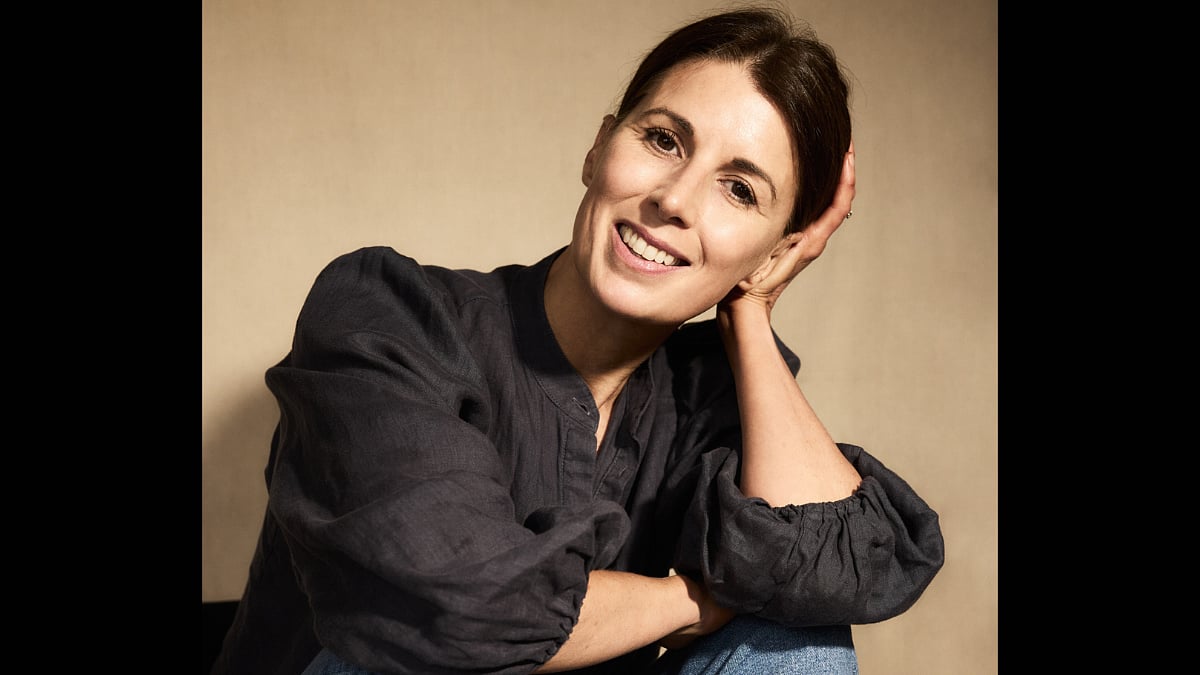
Some authors have a special ability to connect with readers through their books. Meg Mason, an award-winning New Zealand author and journalist, is one of them. As a journalist, she has written for several publications. Her memoir, Say It Again in a Nice Voice, was followed by her debut novel, You Be Mother. Her third book, Sorrow and Bliss, went on to win several awards, earning her widespread recognition.
Visit newsbetting.club for more information.
Her latest novel, Sophie, Standing There, introduces us to Sophie Pattison, a warm, kind and positive woman who is cherished by everyone around her. Yet, there are times when she withdraws into herself, finding comfort in books. When Sophie rediscovers an author whose work she hasn’t read in years, the author’s books, interviews and podcasts become a source of comfort and companionship. She begins to dream of meeting this writer someday, even though she isn’t sure it will ever happen. This longing for connection lies at the heart of the novel.
In this interview with The Free Press Journal, Meg Mason talks about her latest book, a bittersweet exploration of love, loneliness and finding connection in unexpected places, as well as her journey as a novelist.
Excerpts from the Interview:
How would you talk about Sophie, Standing There, in terms of the storyline and what you are trying to convey through the story?
As a writer, my main goal is to entertain readers and pull them into the story by creating characters who feel real, even with their flaws. I don’t usually start a novel with a list of themes, but they appear naturally as I write. In this book, themes like loneliness, heartbreak, the comfort of reading, and friendship came through.
The title is so intriguing...
For the longest time, the book was called Lilac, but at the very last minute before it all had to be finalised, one of my editors gingerly asked whether there might be a better title. I obviously panicked, having so little time to come up with an alternative! But she was right; I knew deep down, so I sat down with the manuscript, turning through the pages trying to find a phrase or image repeated throughout. When we first meet Sophie, she is standing in the wings, assisting an author at the festival, and from there, I noticed, she is always standing, hovering off to the side like someone peripheral and unseen. And suddenly, that became the title.
It is a bittersweet story of love, loneliness and finding connection in the most unlikely of places. Does it have a backstory?
I have been through two seasons in life where I was very lonely—in my final year of high school, and after I became a mother; I was 25. I don’t think, as a novelist, I am ever consciously gathering material as I go about my life. But those experiences ran deep and really informed who I’ve become as a person, and I think, when you start writing, those most powerful experiences in your life present themselves, asking to be explored. And of course, the setting of the novel came because after the publication of Sorrow and Bliss, I suddenly found myself at literary festivals all the time! I found it to be a place of endless inspiration.
How was the process of developing the character of Sophie and everyone in her story?
Sophie came to me, almost fully formed. I had been working on another novel, which wasn’t going very well, and one day, it felt like she literally appeared in my mind, and I could see she was in the wings of a literary festival. The key to finding out more about her was ‘hearing’ how she spoke and what she sounded like as the novel’s narrator and as a character, how she talks to her workmates and friends and even talks to herself in the quiet of her mind. Whereas I’ve liked other characters I’ve written, I immediately loved Sophie and feel such affection for her now, even now that the book is out.
In a world seeking answers for their personal questions regarding love, loneliness, and connection issues, do you see Sophie, Standing There becoming an unlikely book to either seek answers or find their path towards their answers?
I don’t see myself as someone with a lot of wisdom to impart or consider my work as something that could be life-changing for anyone! But I do think any book that is true on some level has the power to reach a reader at the time they need it. And it will become important to them. I hope Sophie finds a reader who really needs her in this moment, if perhaps they are experiencing loneliness and would find solace and company in the character of someone like her.
Sometimes, writing books can be an eye-opener for certain aspects of one’s life or even questions. Did that happen to you while writing this book?
Sophie taught me so much – I don’t mean the book, but the character herself. While I am more inclined to melancholy by nature, Sophie is a cheerful, kind optimist who cares so much about the happiness of other people. To write her, I really had to think hard about how someone like her would react in times of difficulty, and spending time with a happy person—even though she is my own creation—was a daily joy.
Know What Your Daily Routine Says About Your PrioritiesIn your books, there is a common thread of people trying to find themselves while facing a crisis. Can it be challenging to write something new each time?
Yes, it’s always challenging to come up with a new idea—especially because I always want to write something that is very different from the thing that came before it. But at the same time, writers tend to have two or three ‘concerns’ in their fiction, and those concerns will make their way into every book they write. For me, it is connection, the idea of home, motherhood and (I’ve lately come to see) loneliness.
You started as a journalist working with prominent names. At what point did you think that becoming an author was the next step?
I’ve always wanted to write, and I loved my career in journalism, but my ambition to be an author was something I could never confess to because it felt so lofty – to say, ‘Yes, yes, I think I’m capable of writing a novel’. I think I was 33 before I even whispered the idea to my husband—who was very encouraging, and that gave me the courage to try.
The world of books is seeing new challenges, ranging from oversaturated markets to AI coming into writing. What are the issues you are personally invested in?
I am passionate about the relationship between phones and creativity; by which I mean, I believe that your phone does not want you to be creative. Your phone wants you to be in a permanent reactive state by being permanently hooked to the news and social media, which makes your brain incapable of wandering, thinking, and being calm. If you want to write fiction, I would encourage you to radically change your relationship to your phone. Consider it the enemy of art!
How would you define Sophie, Standing There?
This is a story about connection. How we as humans long to connect with others, and how hard that can be in this life, and how precious that experience is when we do. And how, in moments we feel the lack of connection, there will always be books.